Discover the timeless art of mokuhanga
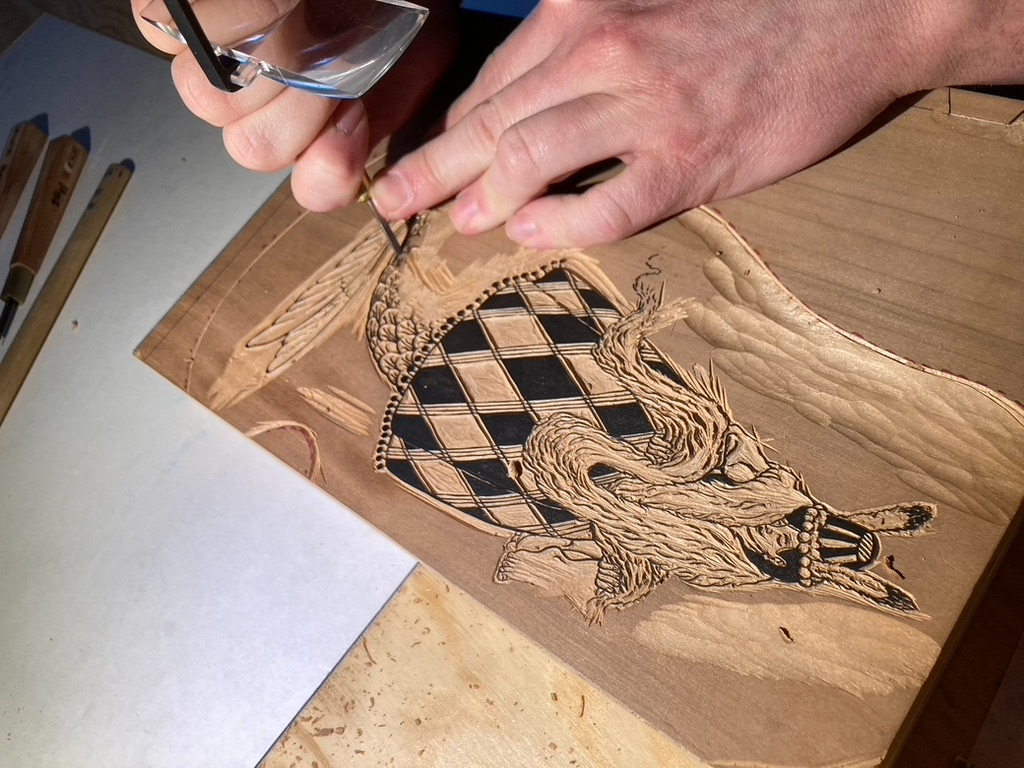
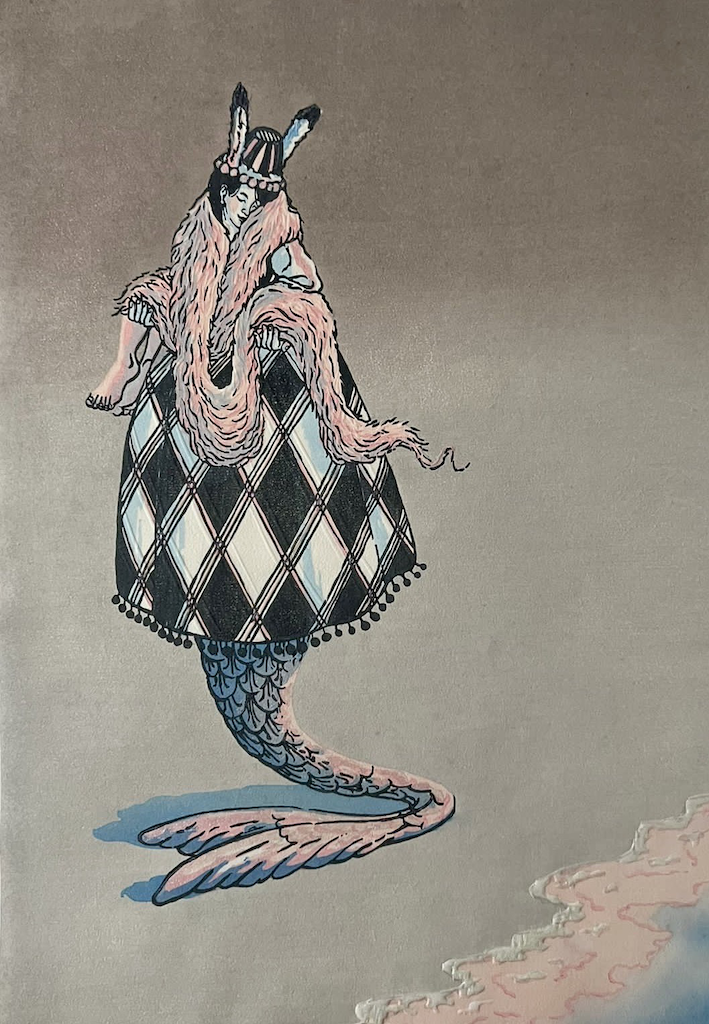
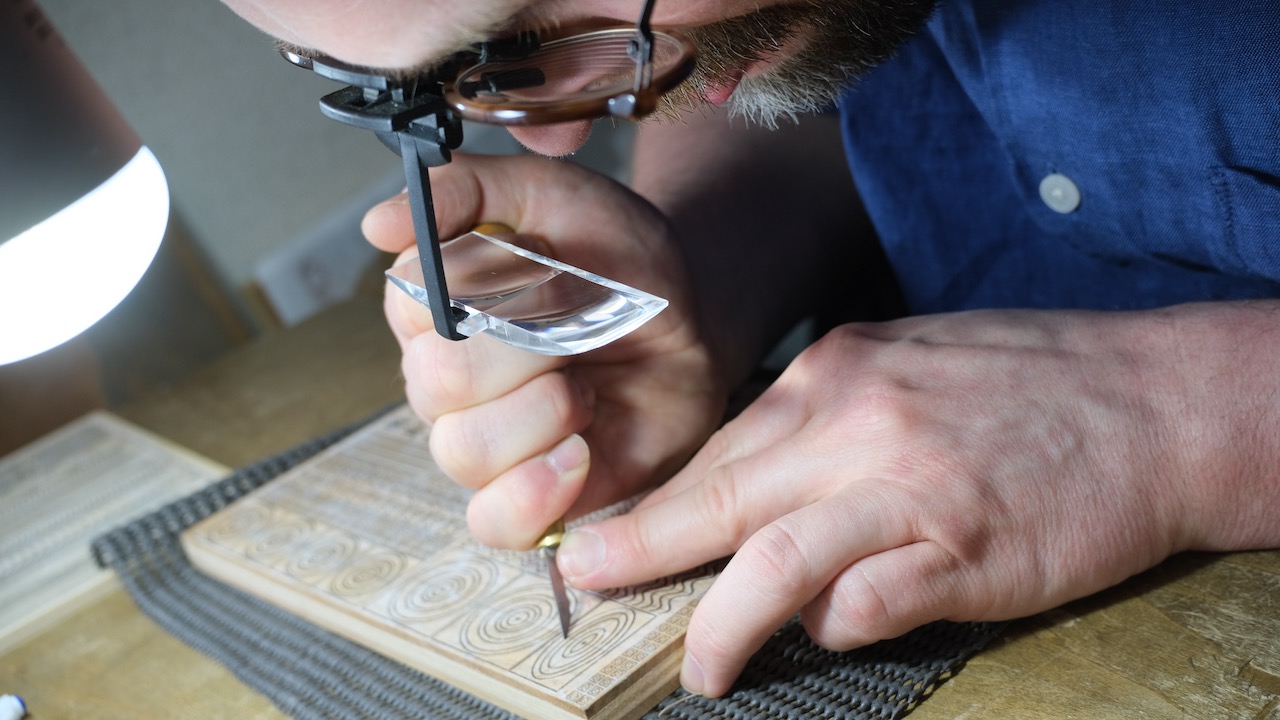
Welcome to Mokuhanga Magic, a creative project by Soetkin Everaert & Vladimir Ivaneanu. Here, we celebrate the ancient Japanese art of woodblock printing—mokuhanga—a craft that blends tradition, patience, and vibrant creativity. Each print is hand-carved and hand-printed, using natural materials and water-based pigments, resulting in unique, luminous artworks.
Upcoming workshops
| 14/11 |
VOLZET
Eke (Nazareth)
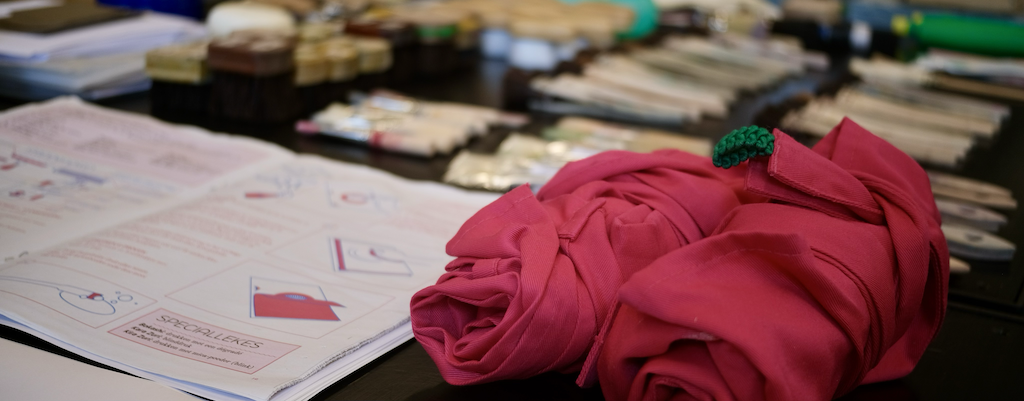
4 days • beginner level
|
|---|---|
| 09/01 |
Gent
8 days • beginner level
|
| 17/04 |
Eke (Nazareth)
4 days • beginner level
|
Upcoming events
| 24/10 |
Create with Kokoro
UNI-que, Ingelandgat 10, Gent
Mokuhanga Magic is erbij met een houtsnede, gereedschap om kennis te maken en onze nieuwe flyer • we springen ook eens binnen
|
|---|
Mokuhanga related exhibitions worldwide
 Manchester, United Kingdom
2026/03/14 -> 2026/11/16
Manchester, United Kingdom
2026/03/14 -> 2026/11/16
|
Beneath the Great Wave: Hokusai, Hiroshige, and ukiyo-e print
The Whitworth |
 Stavelot, Belgium
2026/01/29 -> 2026/11/29
Stavelot, Belgium
2026/01/29 -> 2026/11/29
|
De l'Estampe au Manga, le Japon Artistique
Abbaye de Stavelot |
 Modena, Italy
2027/02/01 -> 2027/06/30
Modena, Italy
2027/02/01 -> 2027/06/30
|
Hokusai e il suo tempo
Palazzo dei Musei |
What is mokuhanga?
Japanese woodblock printing is an ancient, handcrafted relief printing technique. No chemicals, no printing press — every part of the process is done by hand. With water, natural pigments and washi paper, unique, luminous prints are created.
Discover the technique ›
Newsletter
Stay up to date with workshops, exhibitions, and demonstrations. No spam, just mokuhanga magic.
木版画 [moh-koo-hahn-gah]
Japanese woodcut or Mokuhanga is a form of printmaking that developed from Chinese woodcut. It took on the distinct character we know today from prints such as Hokusai’s ‘The Wave’ in the mid-17th century.
Each print is the result of a collaboration between the artist/designer, a cutter and a printer. Japanese woodcut is one of the simplest printing techniques: a drawing is cut from a block of wood, then ink is applied to the block using brushes. A paper sheet is then placed on the inked block and a ‘baren’ is rubbed on the back. In this way, the ink is pressed onto the paper. A different wood block is cut for each colour.
Mokuhanga, or Japanese woodcut, is a traditional and highly craft embedded form of relief printing. The important thing about Mokuhanga is that no chemicals or solvents are used. No printing press is even needed to print; every part of the process is done manually.
Furthermore, the detailed drawing of these woodcuts and the rich, painterly use of colour are particularly striking.